The price comes from the shop and can change. Check price, size and delivery on the shop's page before you order.
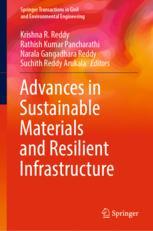
The edited book comprises invited book chapter contributions from global experts in the field of sustainable materials and resilient infrastructure. The book covers the most critical and emerging topics for creating sustainable solutions for the construction industry, promoting the technologies and monitoring methods for resilient infrastructure. It focuses on sustainable solutions and offers techniques and methodologies to deliver high-quality end solutions in civil engineering. In addition, the content provides knowledge-based information for the readers to assess, monitor, measure, and practice sustainability for resilient infrastructure. The contents of the volume are a blend of academic research work and industrial case studies. It covers the use of sustainable materials like Lime-Pozzolona Binders, biopolymers, lignosulphonate, lightweight aggregates made from fly ash, calcinated clay, paper ash, and limestone as amendments/ameliorators for soil remediation, development of neo-construction materials and composites for civil engineering applications. Design of innovative pavements using alkali activation and pervious concrete for sustainable infrastructure is also discussed. The chapters also highlight the role of civil engineers in achieving UN Sustainable Development Goals, promoting climate change design for urban landscapes, and modelling building energy demand. This book is framed to address the principles and practice from the corners of geoenvironment, sustainable construction materials, low carbon materials, energy efficiency, and waste management. It is a valuable reference for faculty, researchers, field experts, scientists, and practicing engineers.