The price comes from the shop and can change. Check price, size and delivery on the shop's page before you order.
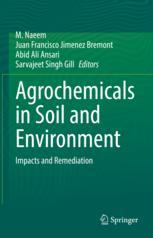
This volume ‘Agrochemicals in Soil and Environment: Impacts and Remediation’ is a comprehensive collection of important literature on agrochemical contamination. The main focus of this book is to point out undesirable changes in biological, physical and chemical characteristics of agricultural soils and its impacts on global agricultural crop productivity. Soil is one of the important resources of basic needs for our sustenance but due to various anthropogenic activities like urbanization and industrialization, the soil is losing its basic quality characteristics. Soil microorganisms, water holding capacity, minerals, salts and nutrients are under the direct threat due to agrochemicals therefore, agricultural sector is facing a serious challenge. Lack of proper knowledge and luxurious applications of agrochemicals resulting into degradation and deterioration of soil quality, loss of soil and crop productivity and threatening the food security. Therefore, it is imperative to develop indices, indicators and soil parameters for the monitoring and impact assessment of agricultural contaminants. Further, biotic and abiotic stresses and their tolerance mechanisms in plants in relation to the soil contaminants such as toxic pollutants, heavy metals, inorganic and organic matters, variety of pesticides, insecticides, herbicides, agricultural runoffs and solid wastes, and chemical fertilizers are also highlighted in this volume. This book also discusses causes of reduced agriculture productivity and suggests sustainable measures such as plant-based technologies, bioremediation and nanotechnology, that can be used to overcome the crop losses. The book is interest to research students, teachers, agricultural scientists, agronomists, environmentalists as well as policy makers.