The price comes from the shop and can change. Check price, size and delivery on the shop's page before you order.
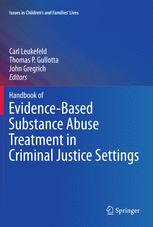
Get high. Become addicted. Commit crimes. Get arrested and be sent to jail. Get released. Repeat. It’s a cycle often destined to persist, in large part because the critical step that is often missing in the process, which is treatment geared toward ensuring that addicts are able to reenter society without the constant threat of imminent relapse. The Handbook of Evidence-Based Substance Abuse Treatment in Criminal Justice Setting probes the efficacy of corrections-based drug interventions, particularly behavioral treatment. With straightforward interpretation of data that reveals what works, what doesn’t, and what needs further study, this volume navigates readers through the criminal justice system, the history of drug treatment for offenders, and the practical problems of program design and implementation. Probation and parole issues as well as concerns specific to special populations such as women, juvenile offenders, and inmates living with HIV/AIDS are also examined in detail. The Handbook’s wide-ranging coverage includes: Biology and genetics of the addicted brain. Case management for substance-abusing offenders. Integrated treatment for drug abuse and mental illness. Evidence-based responses to impaired driving. Monitoring technology and alternatives to incarceration. The use of pharmacotherapy in rehabilitation. This must-have reference work is a comprehensive and timely resource for clinicians, researchers, and graduate students across a variety of disciplines including clinical psychology, criminology and criminal justice, counseling, and educational policy makers.