The price comes from the shop and can change. Check price, size and delivery on the shop's page before you order.
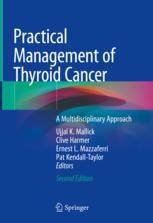
The new edition of this book highlights the recent advances and state-of-the art in surgical and non-surgical management of thyroid cancer. Readers will learn about the latest advances and recommendations in the field, from molecular studies and biomarkers to the changing epidemiology, kinase inhibition in drug discovery and new surgical approaches, such as intra-operative neural monitoring and robotics. The management of differentiated thyroid cancer as well as childhood cancer, survivorship and clinical trial design and findings and how these fit into cancer management are discussed in detail. This comprehensive volume provides an overview of the current world literature and outlines the practical aspects of management from world leaders in this field and helps clinicians and patients on practical matters. With a selection of authors from around the world it draws on international experience giving a global perspective to the topic. Following on from the success of the first edition, it uses a multidisciplinary, evidence-based approach centered on the patient, discussing guidelines and how these have improved the quality of care and outcomes. This guide is aimed mainly at thyroidologists of all disciplines, (in training or experts) students, non-specialist clinicians, nursing staff, all the disciplines involved in a multidisciplinary team such as surgeons - Head & Neck or Endocrine and General Surgeons, Oncologists, Endocrinologists, Nuclear Medicine Physicians, Nuclear Medicine Physicists, Radiologists, Pathologists, Specialist Nurses, Geneticists, Clinical Psychologists, Palliative Care Physicians and, of course, patients.