The price comes from the shop and can change. Check price, size and delivery on the shop's page before you order.
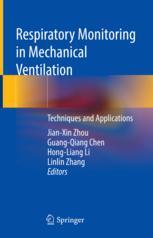
This book covers the up-to-date advancement of respiratory monitoring in ventilation support as well as detecting the physiological responses to therapeutic interventions to avoid complications. Mechanical ventilation nowadays remains the cornerstone in life saving in critically ill patients with and without respiratory failure. However, conclusive evidences show that mechanical ventilation can also cause lung damage, specifically, in terms of ventilator-induced lung injury. Respiratory monitoring encloses a series of physiological and pathophysiological measurements, from basic gas exchange and ventilator wave forms to more sophisticated diaphragm function and lung volume assessments. The progress of respiratory monitoring has always been accompanied by advances in technology. However, how to properly conduct the procedures and correctly interpret the data requires clear definition. The book introduces respiratory monitoring techniques and data analysis, including gas exchange, respiratory mechanics, thoracic imaging, lung volume measurement, and extra-vascular lung water measurement in the initial part. How to interpret the acquired and derived parameters and to illustrate their clinical applications is presented thoroughly. In the following part, the applications of respiratory monitoring in specific diseases and conditions is introduced, including acute respiratory distress syndrome, obstructive pulmonary diseases, patient-ventilator asynchrony, non-invasive ventilation, brain injury with increased intracranial pressure, ventilator-induced diaphragm dysfunction, and weaning from mechanical ventilation. This book is intended primarily for ICU physicians and other practitioners including respiratory therapists, ICU nurses and trainees who come into contact with patients under mechanical ventilation. This book also provides guidance for clinical researchers who take part in respiratory and mechanical ventilation researches.