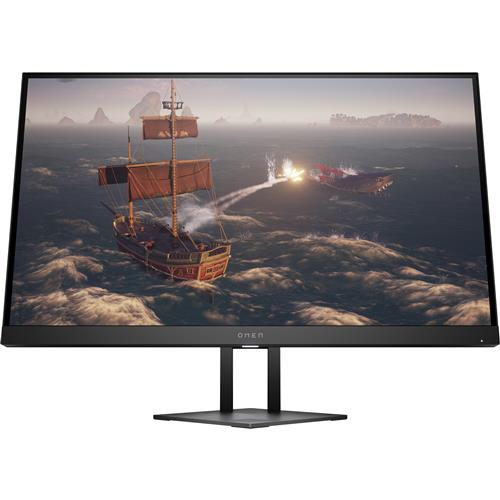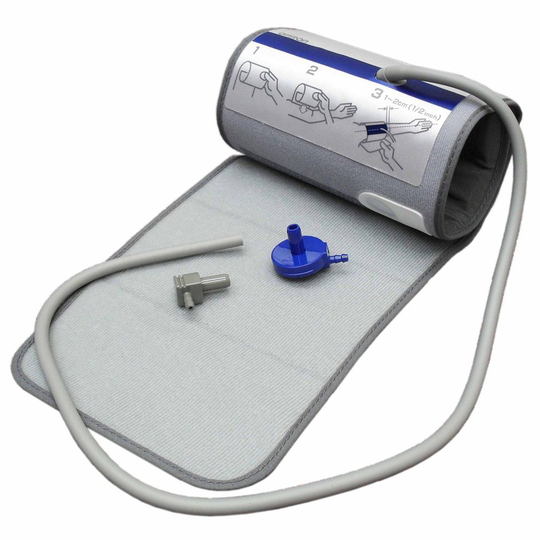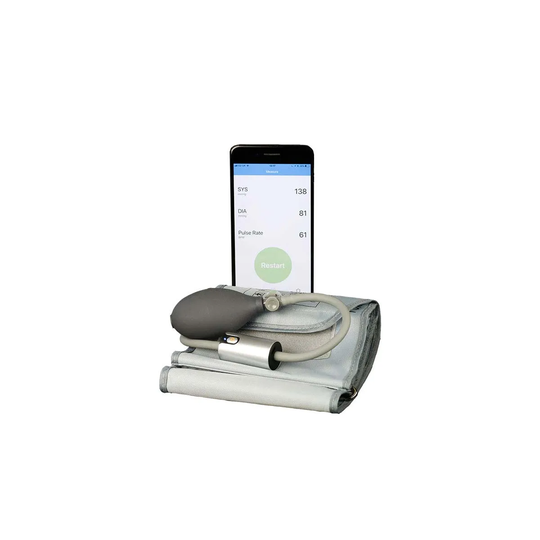

The price comes from the shop and can change. Check price, size and delivery on the shop's page before you order.
What follows is my personal perspective on early events that played a signi?cant role in the formation of the ?eld now known as Smart Structures. It is by no means meant to be all inclusive or de?nitive in any way, but merely an account of personal experiences that ultimately lead to the development of the material contained and presented herein. On March 23, 1983 then President Ronald Reagan announced his intentions to develop a new system to reduce the threat of nuclear attack and end the strategy of mutual deterrence in an address to the nation entitled, Address to the Nation on Defense and National Security. The system he proposed became known as “Star Wars,” after the popular movie, because it was meant to provide a protective shield over the nation from space. His speech mobilized the entire nation on a research and development path toward this end. Investigations were conducted into new areas such as space based radar, large aperture antennae and large ?exible mirror concepts. These proposed systems r- resented an entirely new class of structures that proved to provide new challenges in materials, structures, control systems and modeling. For example antennae needed to monitor large areas of real estate in the continental United States required ap- tures on the order of 100 m.