The price comes from the shop and can change. Check price, size and delivery on the shop's page before you order.
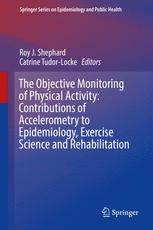
This book examines the new knowledge that has been gained from the objective monitoring of habitual physical activity by means of pedometers and accelerometers. It reviews current advances in the technology of activity monitoring and details advantages of objective monitors relative to physical activity questionnaires. It points to continuing gaps in knowledge, and explores the potential for further advances in the design of objective monitoring devices. Epidemiologists have studied relationships between questionnaire assessments of habitual physical activity and various medical conditions for some seventy years. In general, they have observed positive associations between regular exercise and good health, but because of inherent limitations in the reliability and accuracy of physical activity questionnaires, optimal exercise recommendations for the prevention and treatment of disease have remained unclear. Inexpensive pedometers and accelerometers now offer the epidemiologist the potential to collect relatively precisely graded and objective information on the volume, intensity and patterns of effort that people are undertaking, to relate this data to past and future health experience, and to establish dose/response relationships between physical activity and the various components of health. Such information is important both in assessing the causal nature of the observed associations and in establishing evidence-based recommendations concerning the minimal levels of daily physical activity needed to maintain good health.